Foreclosure can feel overwhelming, and you might be asking, can I sell my house in foreclosure in New Jersey? The answer is yes—homeowners in Hamilton Township still have options even when facing foreclosure. This guide explains your choices in simple terms, helping you understand what to expect and how to protect your finances.
We believe having the right information can ease some of the stress during this tough time. In the following sections, you'll find clear steps and honest advice on selling your home while dealing with foreclosure, so you can make a decision that works best for you.

Grasping Foreclosure in New Jersey
What Exactly Is Repossession and How It Operates in New Jersey?
Repossession is a judicial proceeding designed to help creditors recover unpaid mortgage debt.
In New Jersey, this procedure usually adheres to a set timeline in which homeowners are alerted and get an opportunity to resolve issues prior to the sale of the property.
In Hamilton Township, NJ, homeowners enjoy particular protections that protect them during this time, ensuring they grasp the proceedings and can take steps to avoid additional financial strain..
In many cases, the repossession procedure in Hamilton Township and nearby cities such as Bordentown, Burlington, and Cherry Hill will begin when payments are missed.
Homeowners generally have several months to discuss their options, including strategies like repayment plans and short sales.
This structured timeline gives homeowners a window to consult legal or financial professionals who are well-versed in New Jersey’s foreclosure laws.
How Foreclosure Affects Property Owners in Hamilton Township
The process of foreclosure can have severe impacts on a homeowner’s financial history. Missing mortgage payments or entering a foreclosure can lower a credit score and make it harder to secure future loans. Additionally, the heavy emotional toll and the strain of public financial setbacks can be immense. It is important for homeowners in Hamilton Township and surrounding areas like Ewing, Florence, and Lawrence to address these challenges early by exploring all available options.
Homeowners should consider working with a housing counselor or a legal expert who can take a closer look at their unique situation. By being proactive, many find that there are steps they can take to mitigate financial setbacks and prepare for a more stable future after their property is disposed of or resolved. Learning about homeowner rights and the foreclosure process can also prevent misunderstandings and help in making informed decisions.
Marketing a Home During Foreclosure in Hamilton Township, NJ
Can You Sell a House While Facing Foreclosure?
Yes, you can list your property even when under foreclosure.
Homeowners in Hamilton Township, NJ, have the option to sell their property before the foreclosure process finishes, which might preserve their credit score and reduce financial losses.
However, selling in these circumstances comes with difficulties such as managing existing debts, obtaining lender approval, and sometimes adjusting the sale price to reflect the property's condition.
To put it simply, prosperous sales amid foreclosure often are based on open dialogue with the lender.
For instance, in adjacent areas including Mount Holly, Princeton, Trenton, and Willingboro, local agents well-versed in distressed property sales can provide assistance in meeting lender requirements.
Understanding what lenders require and developing a strong plan can boost the likelihood of a seamless sale even when in challenging times.
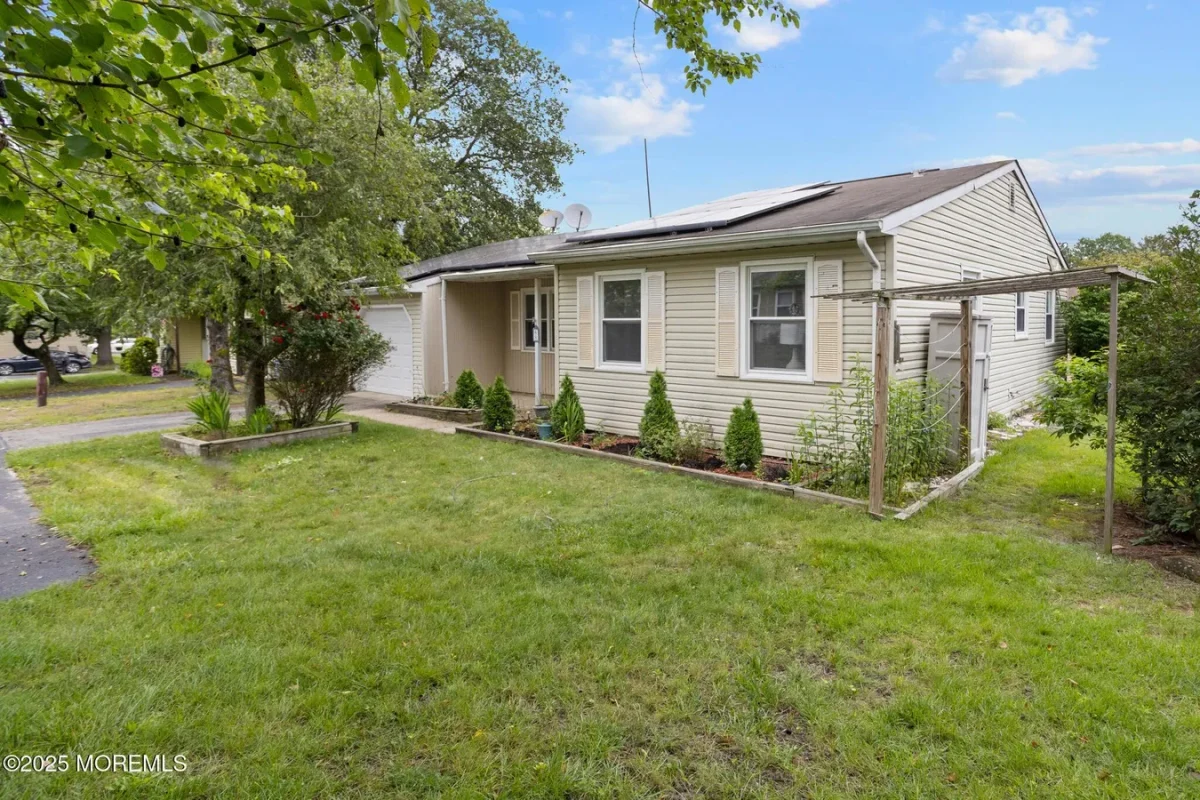
Steps to Market Your Distressed Home
Selling a foreclosed home demands careful preparation.
First, make sure your home's documentation is organized.
This includes mortgage statements, deed papers, and any notices obtained from the lender.
Modern real estate listings must reveal the foreclosure status so potential buyers comprehend the situation.
The next step is to speak with your lender.
Discuss your options for clearing or settling the remaining amount on your mortgage.
Many homeowners in the township and nearby Burlington/Cherry Hill have had success by setting up a short sale with lender consent.
Working with a real estate agent experienced in foreclosure sales can streamline this communication but also assists in marketing the property appropriately.
Here’s a basic checklist:
• Collect and examine all required documentation
• get in touch with your lender about your choices
• Partner with a real estate agent skilled in distressed properties
• Inform potential buyers of the foreclosure status right away
Being open with buyers is crucial, as it helps set practical expectations about what they are purchasing.
Brief Sales and Options to Avoid Foreclosure
What Is a Short Sale and How Does It Work?
A short sale happens when the home is sold for less than the outstanding mortgage balance, pending lender approval. This choice is distinct from a conventional sale because it involves negotiations between the property owner and the lender to approve a reduced payoff amount. In Hamilton Township and similar communities such as Cherry Hill or Trenton, homeowners might choose a short sale to avoid the full foreclosure process.
During a short sale, the lender evaluates the property’s market value and the homeowner’s financial situation before approving the sale. While it might seem like a difficult process, many homeowners discover that a short sale offers a way to lessen the impact on their credit and avoid stressful foreclosure proceedings. Research suggests that short sales can be a feasible choice for many, especially when assisted by experts familiar with New Jersey’s property market.
Other Alternatives to Avoid Foreclosure
Apart from short sales, there are various other routes property owners can take to prevent losing their property.
One possibility is seeking a loan modification.
This entails working directly with the lender to adjust your loan conditions to suit your current financial situation.
This option is worth exploring for residents in Hamilton Township, Bordentown, or Cherry Hill.
Another alternative is a property deed transfer, where a property owner transfers property ownership back to the lender in return for releasing the loan debt.
While these alternatives might not be perfect, they provide an opportunity to lessen the long-term financial impact of foreclosure.
It is always wise to consult with a real estate counselor or attorney who comprehends New Jersey’s distinct environment when considering these options.
Local Resources and Support for Hamilton Township Homeowners
Where to Get Help Locally
Hamilton Township Homeowners and neighboring cities such as Princeton, Willingboro, and Trenton have access to nearby resources that offer support during tough situations.
Local government offices, housing counseling services, and legal assistance groups provide guidance when dealing with foreclosure.
Such organizations can help you understand your rights, manage documentation, and determine the best way forward based on your situation.
Local housing counselors are invaluable when facing foreclosure issues.
They can not only clarify the necessary steps you must take but also link you with financial planning resources.
For instance, if you reside near Hamilton Township, such as Cherry Hill or Burlington, contacting a local municipal office could guide you correctly toward free or affordable advice.
Collaborating with Real Estate Experts and Investors
You might also want to work with experienced experts such as property agents or investors with demonstrated success in handling distressed properties.
Seasoned agents understand the intricacies of selling homes in foreclosure and can help bridge communication with your lender.
They can showcase your property's key selling points while ensuring that the process remains straightforward and transparent.
When choosing an expert, it is important to choose someone who is well-known in the local market.
Seek out agents experienced in Hamilton Township, Ewing, and Mount Holly.
Check reviews and ask friends or neighbors for recommendations.
A seasoned agent not only speeds up the process but also assists in resolving potential issues before they become larger issues.
Securing Your Financial Future Post-Foreclosure Sale
Impact on Credit and What Comes Next
Selling your home amid or before a foreclosure can impact your credit score, but the outcome largely depends on how the situation is managed.
Buyers and lenders alike pay close attention to the specifics of handling a foreclosure or short sale.
While a foreclosure might lower your credit score significantly, engaging with experts can help reduce the negative consequences.
Homeowners in Hamilton Township and nearby areas, such as Lawrence or Trenton, should be aware that timely communication with the lender is key.
After the sale is concluded, rebuilding your financial stability becomes the next important step.
The process might require a while, but starting with a clear budget and seeking advice from financial experts can aid in credit recovery.
Consider these recommendations:
• Regularly check your credit report for errors
• Create a realistic monthly budget
• Consider speaking with a financial planner who understands local market conditions
Although the process may be difficult, many property owners have managed to recover their credit after a foreclosure or short sale.
Maintaining open communication with financial professionals and taking small, consistent steps often leads to a stronger financial future.
Steps to Rebuild Credit and Plan for Future Homeownership
After a foreclosure sale, it’s important to actively view website work on improving your credit.
Such steps might involve clearing existing debts, managing credit wisely, and tracking variations in your credit score.
Gradually, these minor adjustments can turn a financial setback into a comprehensive recovery strategy.
Financial experts recommend setting clear goals and gradually working on them, even if progress is slow.
Preparing for future homeownership requires setting practical expectations and maintaining patience.
It is beneficial to work with local advisors who understand the unique challenges in areas such as Hamilton Township, Burlington, or Cherry Hill.
Establishing a practical plan and following a steady course enables many homeowners to eventually come back to the property market with improved financial security.

Navigating the complexities of disposing of a foreclosed property in the state of New Jersey , especially in Hamilton Township requires a comprehensive grasp of foreclosure proceedings , other options such as short sales , and the value of accessing local resources and assistance.
Effectively selling your property requires proactive communication with lenders, meticulous preparation of required paperwork, and open communication with prospective buyers. Remember that rebuilding your financial future following a sale, whether by foreclosure or alternative approaches is entirely possible with a strategic plan and consistent effort.
Ultimately, facing foreclosure doesn't have to mean the collapse of your financial security.
Through examining every possibility and obtaining expert advice, you can look at these guys manage this difficult period and pave the way for a stronger future.
Knowledge is power; use the information provided to decide with care and take control of your situation.
- Foreclosure Help in Hamilton Township, NJ: Reach out to Holly Nance Group for professional counseling on selling your home amid foreclosure.
- Troubled Property Sales in Burlington County: Holly Nance Group offers specialized real estate services for homeowners facing foreclosure in Burlington and nearby cities.
- Mercer County Short Sale Specialists: Rely on Holly Nance Group to manage the short sale procedure and discover the most favorable outcome for your finances.
- Connect with Local Real Estate Investors: Contact Holly Nance Group to connect with reputable local real estate investors looking to buy pre-foreclosure homes in Hamilton Township.
- Ewing Township Pre-Foreclosure Expert in NJ: Allow Holly Nance Group to support you in rapidly selling your home.